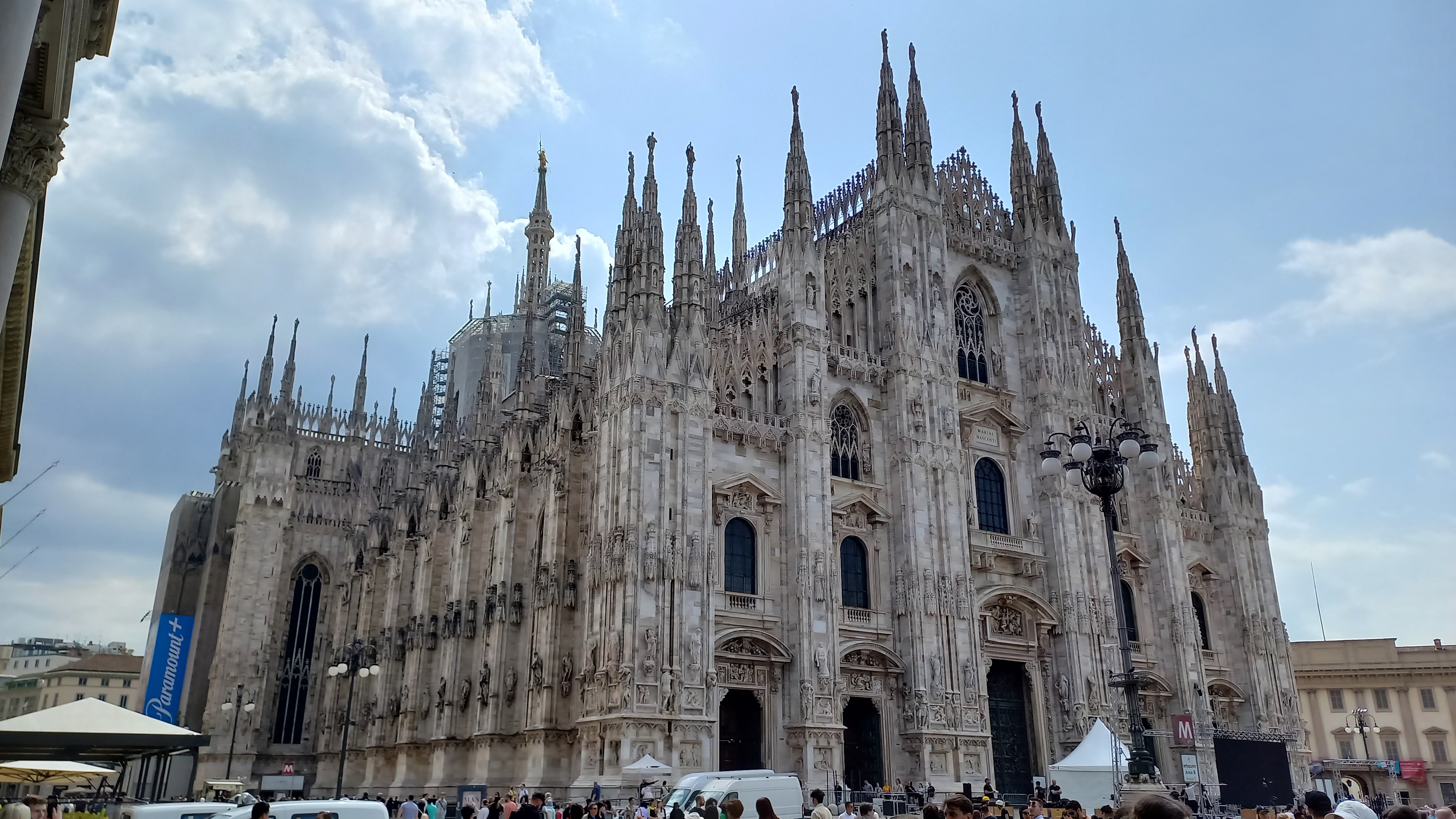
In Milan, the Winter Olympics first enter everyday life through visibility—not only through competition venues.
That “everywhere-at-once” presence helps explain a more subtle phenomenon: during the Games, many members of Milan’s Chinese community—especially students—experience something close to a home-field feeling. It is not driven solely by medal counts. More often, it is built through local demographics, public spaces, festival time, and networks of participation.
The Base Layer
Milan’s municipal statistical analysis notes that over the ten years from 2014 to 2023, the city registered close to 200,000 new foreign arrivals, including more than 22,000 newcomers of Chinese nationality.
This is not a short-term “Games-driven” surge. When a city already has a sizable and growing Chinese-speaking population, the Olympics tend to switch the lights on all at once—rather than create something from nothing.
Chinese New Year Meets the Olympics
The Milano–Cortina 2026 Winter Olympics overlap closely with the Chinese New Year. For many local Chinese residents, the most immediate change is not inside arenas, but in how the city’s festival calendar aligns.


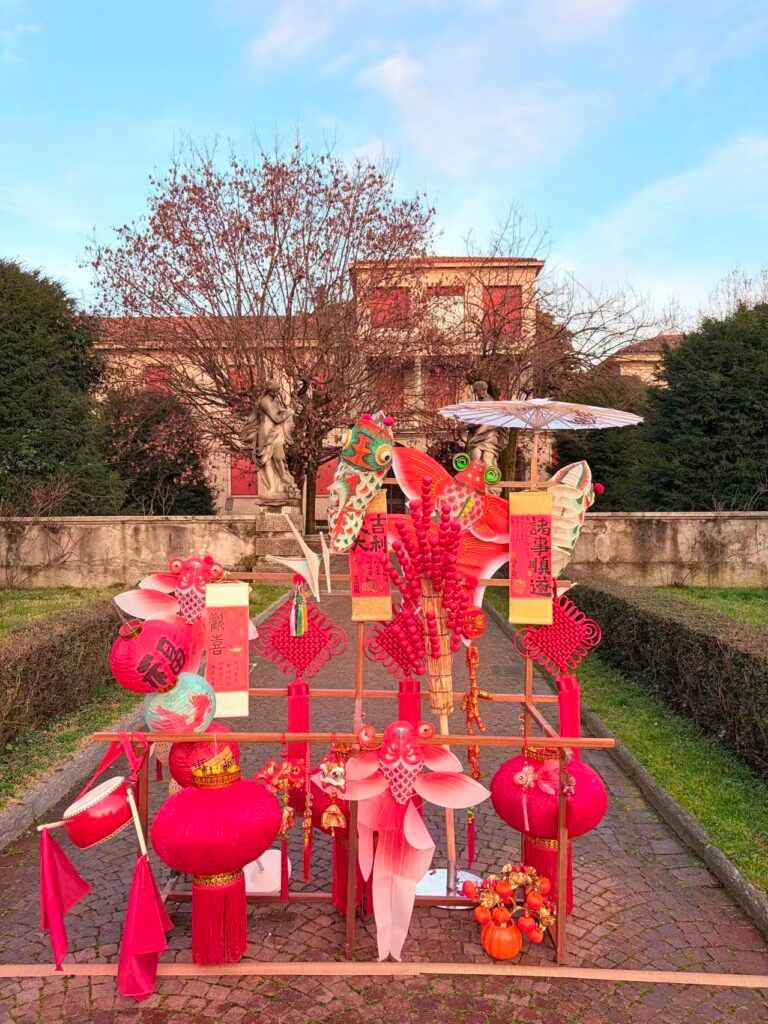
In Chinatown around Via Paolo Sarpi, red lanterns, holiday decorations, and themed events add a familiar “New Year layer” on top of the Olympic atmosphere.

“China House”
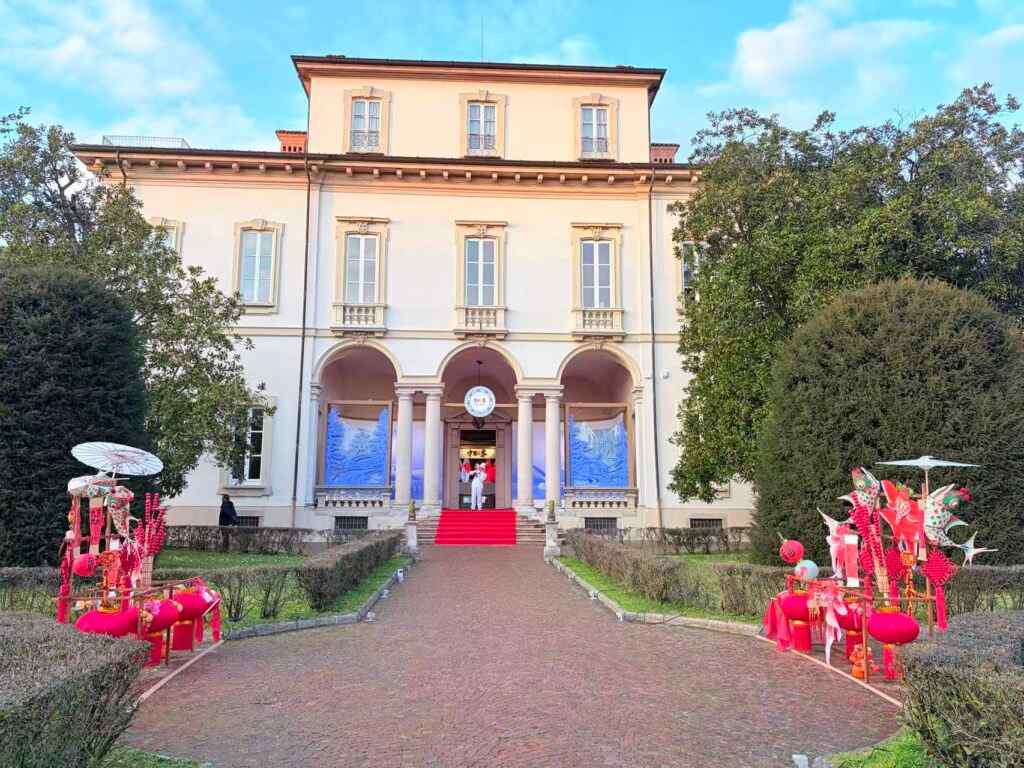
The Chinese Olympic Committee set up China House at Villa Clerici in Milan, turning the city into a “cultural corridor beyond the competitions.”
In terms of content, the space combines traditional crafts + sports interaction + technology experiences—from paper-cutting and calligraphy to hands-on interactive installations—allowing Chinese culture to enter Milan’s public life in a more everyday, less slogan-like way.
From Spectators to Participants
Home-field feeling is not only about watching; it is also about participation. The Olympic website has noted that about 18,000 volunteers support the Games’ operations.
Among them, around 1,500 Chinese volunteers take part in the Team26 program, described as “one of the largest and most active communities” within the volunteer initiative.

Local Cultural Institutions
This home-field feeling is not generated solely within the Chinese community. It is also supported by cooperation and investment from local institutions.
Taste Of Oriente and APICAIA jointly launched a series of “Year of the Horse” themed activities—markets, workshops, and performances—representing a typical pathway through which local organizations integrate Chinese culture into the city’s public agenda.
Home-field feeling is, above all, a product of local structure: demographics provide continuity; festival overlap provides emotional peaks; public spaces provide reachable gathering points; volunteer participation provides social roles; and travel and consumption data offer behavioral evidence.
When these elements align, the Olympics are no longer only about “who won.” They also become a story about how a city allows different communities, within the same time window, to see one another—and enter one another’s worlds.