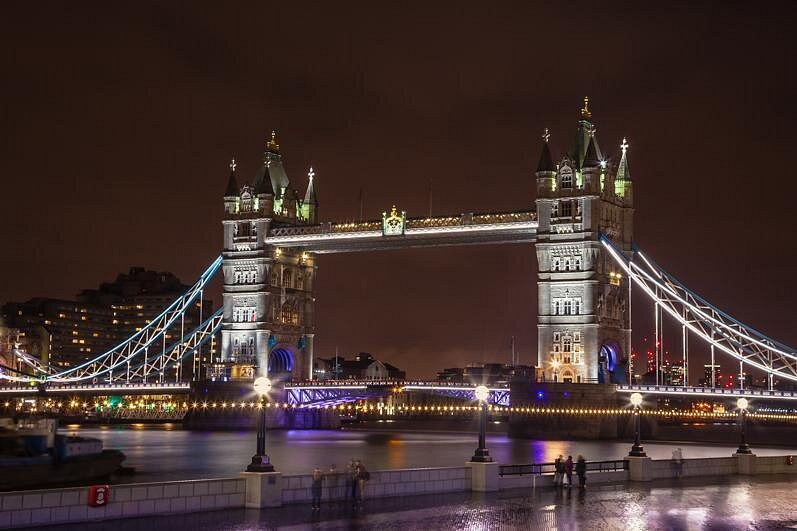
A succession of bridges, each with its own distinctive form, is redrawing the geographic map of China. According to data released by China’s Ministry of Transport, the country is home to eight of the world’s ten highest bridges, making its bridge network a powerful lens through which to observe China’s infrastructure capabilities and economic dynamism.
The World’s Longest Bridge
Stretching across eastern China, the Danyang–Kunshan Grand Bridge runs for 164.8 kilometers, making it the longest bridge in the world. Since opening to traffic in 2011, it has continuously held the Guinness World Record.
The Danyang–Kunshan Grand Bridge is part of the Beijing–Shanghai High-Speed Railway, tightly linking core cities such as Shanghai and Nanjing and compressing long-distance journeys into just a few hours by bullet train. It spans rivers, lakes, rice paddies and even urban areas between Danyang and Kunshan in Jiangsu Province.
The high-speed line was built at a cost of around 8.5 billion US dollars and is designed to withstand earthquakes of magnitude 8.0, showcasing China’s advanced expertise in high-speed rail infrastructure.
Serving as a key artery for high-speed trains that carry millions of passengers, the bridge is a vivid example of how infrastructure can drive industrial expansion and intercity connectivity.
A Pioneering Undersea Engineering Feat
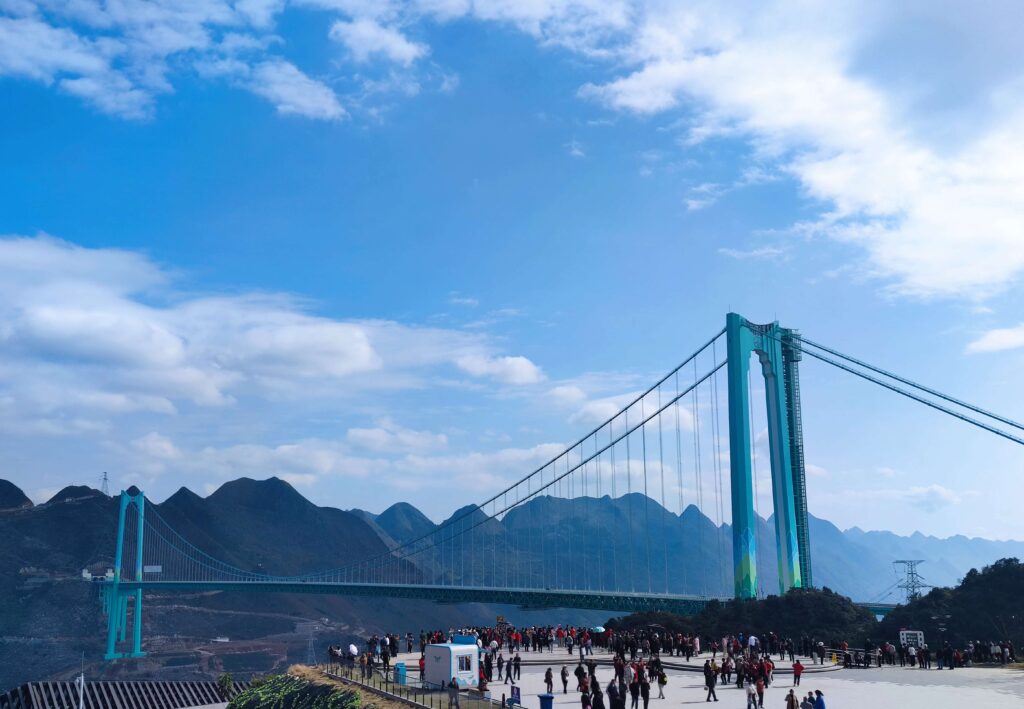
The Hong Kong–Zhuhai–Macau Bridge has set world records in a very different way. This cross-sea bridge–tunnel system spans about 55 kilometers in total, combining multiple sea bridges with an immersed tube tunnel of roughly 6.7 kilometers. It is one of the longest cross-sea links in the world and includes the longest immersed tube tunnel of its kind.




After nine years of construction and an investment of 20 billion US dollars, the bridge now connects Hong Kong, Zhuhai and Macau.
Since opening, it has cut the travel time between Hong Kong and Zhuhai or Macau from about three hours to around 45 minutes, creating a much tighter ”one-hour living circle” between the eastern and western shores of the Greater Bay Area.
By enabling seamless cross-border flows, it has boosted trade volumes, tourism and investment, added billions of dollars to regional GDP, and highlighted China’s vision for highly connected megacities.
Reshaping Geography with Bridges
Beyond these record-breaking megaprojects, China is home to many bridges that combine cultural resonance with practical value.
Nanjing Yangtze River Bridge: As the first double-deck road-rail bridge in China to be independently designed and built, it holds a special place in the collective memory of several generations. For many Chinese, it is a symbol seen in textbooks and posters.
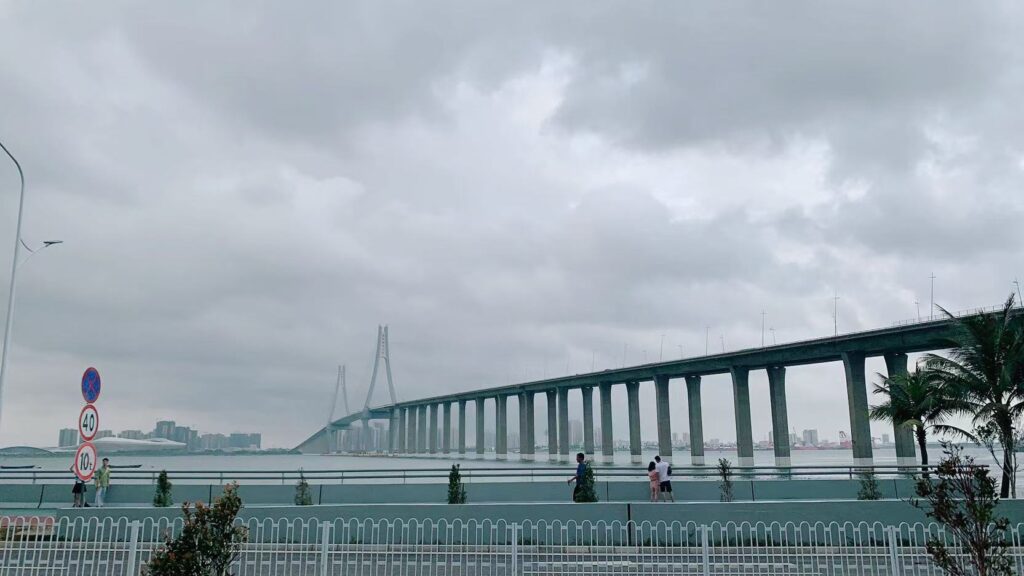
Pingtan Strait Road-Rail Bridge: Located in one of the world’s three major wind corridors, it is known as one of the most challenging cross-sea bridges ever built. It serves as a vital gateway to an international tourism island and a strategic corridor linking the mainland with the sea.
China is not just building bridges; it is reshaping geography with them. The country has more than 1.1 million bridges, including nearly 100,000 railway bridges that support its vast rail network. Through this dense web of structures, China has effectively transformed its expansive territory into a “world museum of bridges.”
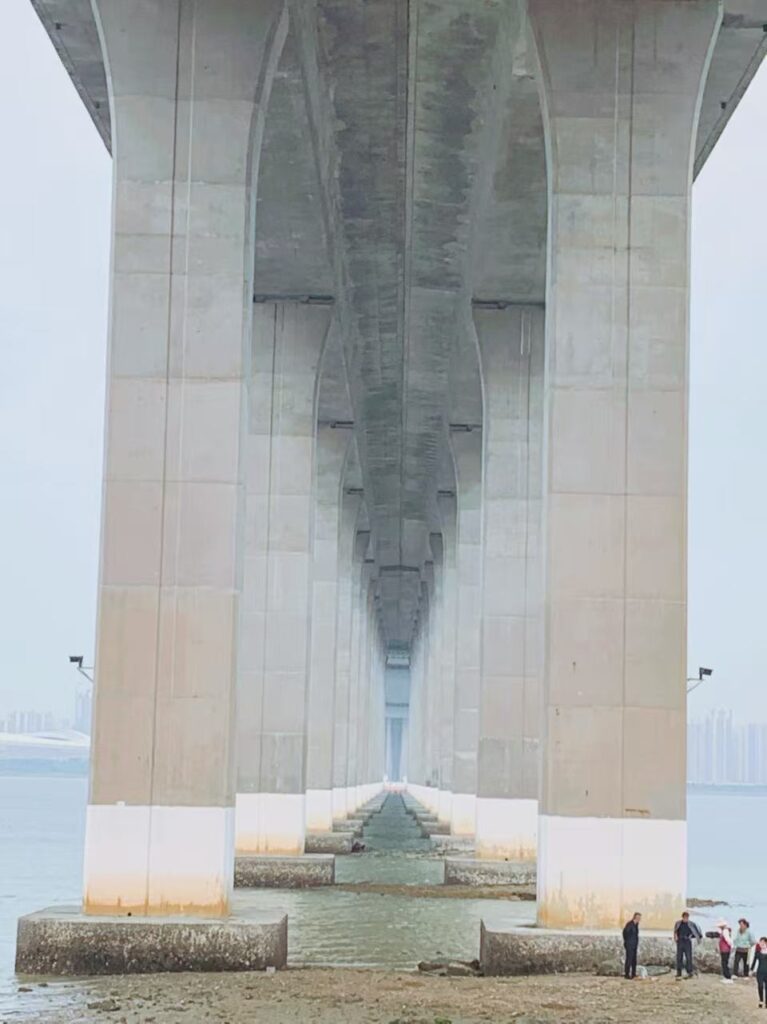
Behind this bridge-building boom lies a powerful economic multiplier effect. Statistics show that improved transport infrastructure has directly fueled explosive growth in tourism and logistics along major corridors. As the world focuses on China’s infrastructure model, these bridges showcase the country’s ambition and its ability to execute large-scale projects efficiently.
They do more than connect points on a map. They weave together economies, cultures and futures, helping to propel China to new heights.
Photos by Yang Ruilan.